Adult ADHD Diagnosis Online: A Complete Guide to Virtual Evaluation and Care
- 2 December 2025

What Adult ADHD Looks Like
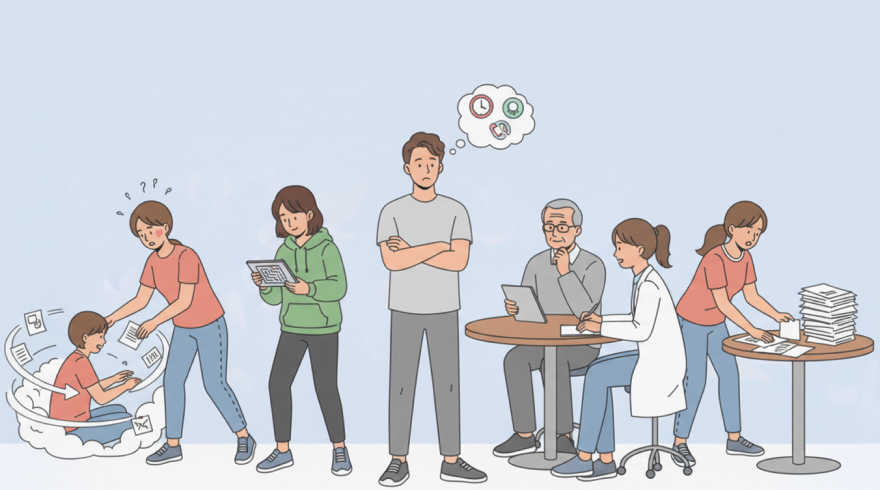
Adults who struggle with attention, planning, and impulse control are often juggling careers, families, and community roles, which makes traditional clinic schedules hard to match. Many people also carry years of uncertainty or misattributed explanations for their difficulties, ranging from “I just need to try harder” to “Work is uniquely stressful for me.” In recent years, telehealth has opened doors by connecting qualified clinicians with patients in secure, convenient environments that don’t require time‑consuming commutes or limited daytime appointments.
People who seek clarity are discovering that evidence‑based virtual evaluations can be both thorough and personable when they follow best practices. Increasingly, platforms that support adult ADHD diagnosis online are blending clinical rigor with convenience for busy schedules. With thoughtfully designed workflows, these services weave together intake forms, collateral histories, and structured interviews to produce nuanced conclusions rather than quick labels.
Unlike pop quizzes on social media, clinically sound assessments track persistence of symptoms from earlier life stages, functional impairment in multiple settings, and possible overlapping conditions. In regulated telehealth networks, ADHD diagnosis online follows evidence‑based protocols overseen by licensed clinicians. When this process is respected, adults can finally separate long‑standing patterns from temporary stressors and receive clear, compassionate guidance about next steps.
- Reduced time away from work or caregiving commitments
- Expanded access for rural and underserved communities
- Greater comfort for patients who prefer home settings
- Ability to include family input via secure video when appropriate
- Streamlined documentation and follow‑up scheduling
How a Virtual ADHD Evaluation Works
The process typically begins with simple account creation and secure consent forms, followed by an intake that maps your history across school, work, and home life. After that foundation is laid, the clinician schedules a live video session to explore symptom patterns, onset, and impact across different contexts. Most services start with an ADHD diagnosis questionnaire that screens for patterns across attention, impulsivity, and hyperactivity. While these instruments are standardized, they are only one feature of a holistic evaluation that also considers medical history and differential diagnoses.
| Step | What Happens | Typical Time | Why It Matters |
|---|---|---|---|
| Intake & Consent | Secure forms covering symptoms, history, goals | 15–30 minutes | Builds a foundation and flags urgent issues |
| Screening Tools | Standardized rating scales and self‑reports | 20–40 minutes | Identifies core patterns across settings |
| Clinical Interview | Video session with a licensed clinician | 45–90 minutes | Clarifies history, impairment, and context |
| Collateral Input | Optional feedback from partner or family | 10–20 minutes | Confirms cross‑setting consistency |
| Summary & Plan | Written report, recommendations, next steps | 1–5 days | Turns insights into an actionable plan |
Licensed professionals integrate data from multiple sources before offering conclusions, and they assess co‑occurring conditions like anxiety, depression, sleep disorders, or learning differences. Screening tools are not definitive, so a clinician interprets any ADHD diagnosis test in context of history and impairment. This integrated approach helps guard against both over‑ and under‑diagnosis while setting up the most effective, personalized plan.
- Have a government ID ready for identity verification
- Use a quiet, private space with a strong internet connection
- Gather report cards, prior assessments, or performance reviews
- Invite a spouse or family member to share observations if requested
Benefits, Limitations, and Safeguards
Telehealth has reshaped mental health access by reducing friction for people who previously faced long waits or long drives. In this environment, quality is defined by careful history‑taking, validated tools, and clinicians who understand adult presentations that may look different from childhood patterns. For rural communities and people with mobility limits, online ADHD diagnosis reduces travel burdens while preserving clinical quality. When platforms emphasize ethics and transparency, patients can feel confident that recommendations are grounded in recognized standards of care.
Beyond the decision of whether criteria are met, a robust plan considers coaching, skills training, workplace accommodations, and therapy options. Some clinics coordinate therapy, coaching, and medication management through ADHD diagnosis and treatment online models that unify records and follow‑ups. This integrated design prevents fragmented care, improves adherence, and simplifies communication between you and your care team.
Because ADHD rarely exists in a vacuum, clinicians must screen for sleep issues, trauma histories, and mood concerns that can mimic attention problems. When a platform offers bundled care, online ADHD diagnosis treatment pathways can streamline scheduling and continuity across the first year. Still, patients should watch for shortcuts like ultra‑brief visits, unclear credentials, or guaranteed outcomes, since responsible practices avoid one‑size‑fits‑all promises.
- Look for state‑licensed professionals with ADHD‑specific training
- Confirm use of validated scales and structured interviews
- Seek clear policies on follow‑ups and escalation of care
- Avoid sites that guarantee a diagnosis before evaluation
- Expect written summaries and practical, individualized recommendations
Cost, Insurance, Legitimacy, and Receiving Ongoing Care
Pricing varies widely, from subscription packages to one‑time evaluations that include a comprehensive report. Insurance coverage depends on the platform’s contracts and your benefits, and some employers now offer stipends for neurodiversity assessments. Some sites advertise free ADHD diagnosis online offers, which often mean brief screeners rather than full psychiatric evaluations. When you compare services, read the fine print for what’s included, intake, interview, documentation, and a clear pathway to follow‑up care.
Patients deserve transparency about who will perform the assessment and how records are stored, shared, and protected. Be cautious with pages that claim ADHD diagnosis online free because thorough assessments typically require licensed time and verification steps. A credible clinic will spell out fees, state where clinicians are licensed to practice, and explain how to reach support if questions arise after the visit.
Regulations around controlled substances and telehealth vary by state and may evolve, so responsible platforms follow current law and verify identity, location, and medical history. Only credentialed clinicians operating within your state can provide ADHD diagnosis and prescription online when regulations permit and medical criteria are met. If medication is appropriate, expect education about risks, benefits, alternatives, and a plan for monitoring outcomes alongside non‑pharmacologic supports.
- Verify licensure and the platform’s clinical leadership
- Ask how emergencies or complex cases are referred locally
- Request sample reports to understand the depth of documentation
- Confirm secure messaging and follow‑up scheduling windows
- Check for clear refund or rescheduling policies
FAQ: Answers to Common Questions About ADHD Test
How accurate are virtual ADHD assessments?
When conducted by licensed clinicians using validated tools and a full clinical interview, virtual assessments can meet the same standards as in‑person care. The practical question, can you get an ADHD diagnosis online, is answered by whether the platform employs credentialed clinicians and follows state law. Accuracy also hinges on providing honest histories, allowing collateral input when requested, and ruling out other explanations for symptoms through careful differential diagnosis.
What does a complete evaluation include?
A comprehensive assessment typically blends intake forms, rating scales, a structured video interview, and a written summary that details findings and next steps. Clinicians look for symptom persistence across settings, functional impairment, and childhood patterns, while also screening for conditions that can resemble ADHD. Expect to discuss work performance, relationships, sleep, substance use, and stressors so the plan addresses your whole life and not just isolated symptoms.
How long does it take to get results?
Many platforms deliver a written summary within several days of the interview, and some provide same‑week recommendations when schedules permit. Timing varies based on clinician availability, complexity of the case, and whether collateral input is needed. If your situation is complicated by co‑occurring conditions, additional sessions may be scheduled to ensure safe, accurate conclusions.
Will I have access to treatment and follow‑up afterward?
Quality programs view assessment as the start of a supportive relationship rather than a one‑off transaction. Many integrated clinics support online ADHD diagnosis and treatment so your plan moves smoothly from evaluation to care. Expect options such as therapy, skills coaching, workplace strategy sessions, and medication management when appropriate, along with clear timelines for check‑ins.
How is my privacy protected?
Reputable platforms use encrypted video, secure messaging, and compliant data storage that meets strict healthcare privacy standards. You can ask how long records are retained, who can access them, and how to obtain copies of your report. If a site is vague about security or refuses to share privacy policies, consider that a warning sign and explore alternatives with clearer safeguards.
Latest News
-
![Free ADHD Test: What to Expect and How to Use Results Wisely]()
- 5 December, 2025
-
![A Guide to ADHD Assessment: Process, Benefits, and Practical Insights]()
- 4 December, 2025
-
![ADHD Questionnaire: A Comprehensive Guide to Self-Report Tools]()
- 3 December, 2025